




Identify your weed
A comprehensive list of common (and uncommon) lake weeds with images. Find out which weed you're dealing with in order to select the appropriate Aquacide product!
Shop Products
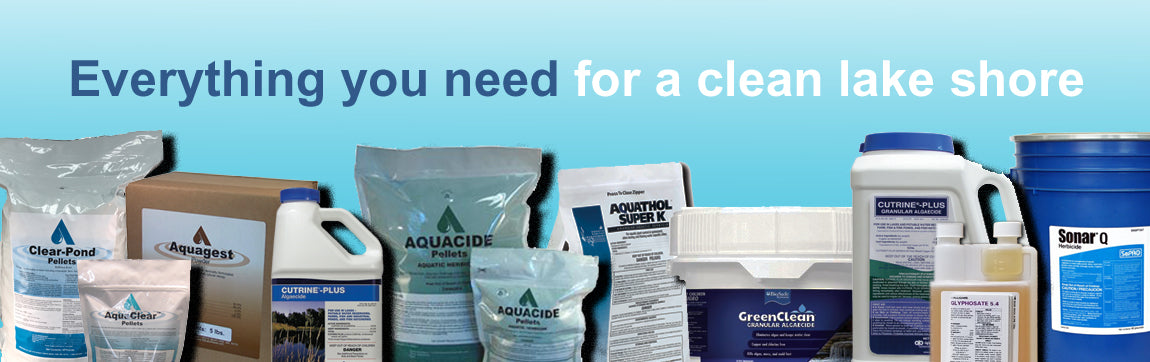
No matter what weed you're dealing with, Aquacide can help. We offer a broad selection of pellet, granular and liquid-based herbicides that are tailored to your property's needs.


Why Aquacide?
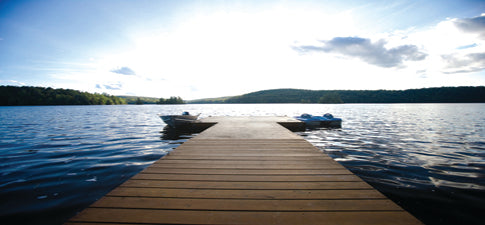
Why eliminate lake weeds? Read our list of the top 5 reasons people choose Aquacide to clear up their lake water.





Why is it important to control aquatic weeds?
An abundant reproduction of the aquatic plants in your lake or pond can have a harmful effect on its inhabitants. Undesirable aquatic plants disturb the vital balance of nutrients and oxygen in the water body and can wreak havoc on outside activities.
Some of the troubles which come with neglecting proper aquatic weed control:
It can hamper the recreational activities at the water source such as fishing, water sports, boating and swimming. It makes the waterfront look unattractive. It makes a good habitat for mosquito breeding. It can give a foul taste and smell to the water source. Aquatic weeds can hamper water flow across drainage systems.
Some of our products which can help you with aquatic weeds:
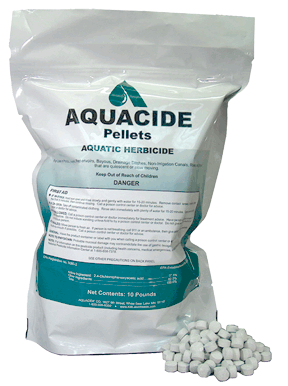
Aquacide Pellets, are the easiest to use. A selective, systemic herbicide with 2,4-D. Helps in controlling submersed, emersed, and floating broadleaf weeds.
Another option is Fluridone. Fluridone provides excellent control of many difficult to control weeds. Apply to the entire pond (minimum of five acres for lakes) for best results.
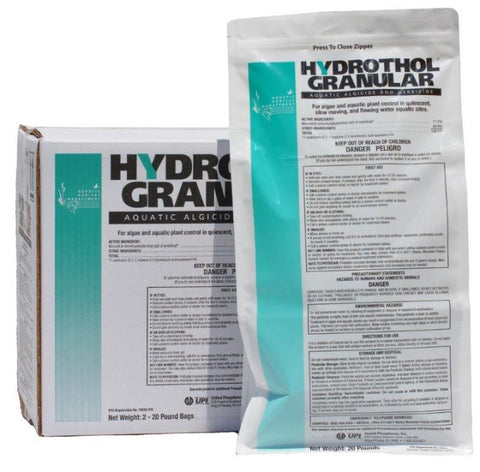
Hydrothol Granular, with alkylamine endothall, is also a proven product to effectively eliminate aquatic weeds.
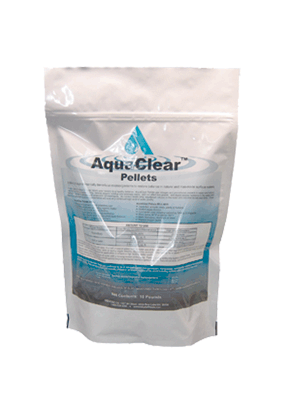
To remove dead vegetation or muck from your lake or pond, you can use AquaClear Pellets. Clear-Pond Pellets settle suspended particulates and minerals in the water column.
The Weed Razer Express is a lightweight, hand-operated, underwater weed cutting tool for effective aquatic weed control.
Aquacide Company
1627 9th St
White Bear Lake, MN 55110
Representatives available by phone Mon - Fri, 8:30am - 4:00pm
Please call for walk-in hours.
Where required each product is registered for its specific use by the
U.S. EPA. In addition, our products are certified and approved for use
by state agencies. Those are good reasons to buy with confidence.
Control of weeds in state protected waters often requires a permit.
Consult your State Fish and Game Agency before beginning any control
operations. Customers requiring shipment to the states of CA, ME, NY, TX,
VT, or WA please call for state specific requirements before ordering.